
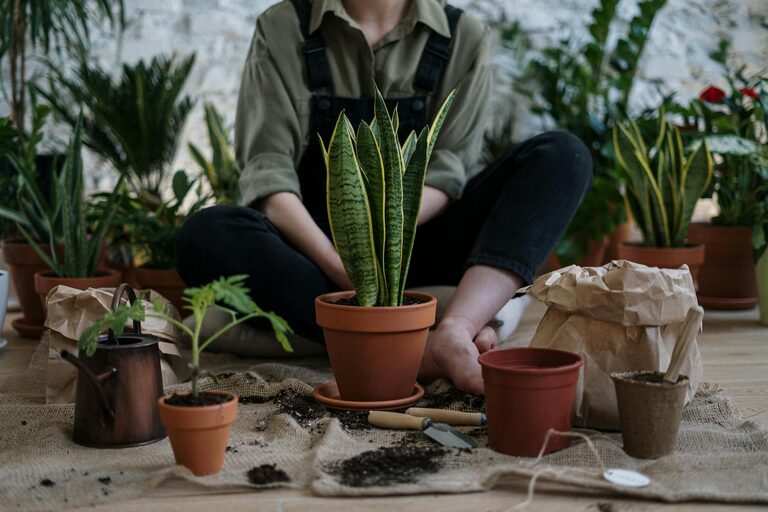
Bringing houseplants into your home adds natural beauty, improves air quality, and can even boost your mood. However, keeping these green companions healthy requires some attention and care. Whether you’re new to indoor gardening or looking to improve your plant care routine, these practical tips will help your houseplants thrive.
Choose the Right Plants for Your Space
Not all houseplants thrive in every environment. Before purchasing, consider factors such as natural light, humidity, and temperature in your home.
– Low Light vs. Bright Light: Some plants, like snake plants and pothos, tolerate low light, while others, such as succulents and fiddle leaf figs, need bright, indirect sunlight.
– Temperature and Humidity: Tropical plants prefer higher humidity and warmer temperatures, while cacti are fine with drier air and fluctuating temps.
– Size and Growth Habits: Think about how large your plant will grow and if you have space to accommodate it comfortably.
Choosing plants that suit your environment increases their chances of staying healthy.
Watering Correctly: The Key to Healthy Plants
Watering is one of the most critical parts of houseplant care and also the most common source of problems.
– Know Your Plant’s Needs: Some houseplants prefer consistently moist soil, while others require drying out completely between watering.
– Check Soil Moisture: Use your finger or a moisture meter to test the soil before watering. Overwatering can lead to root rot.
– Water Thoroughly: When you do water, make sure to water deeply until excess water drains out the bottom of the pot.
– Avoid Standing Water: Empty any trays of excess water after watering to prevent root damage.
Remember: it’s better to err on the side of underwatering than overwatering, as many houseplants recover well after minor drought but rarely from excessive moisture.
Provide Proper Light Conditions
Light is the energy source plants need to grow and flourish.
– Place Plants Near Windows: South-facing windows generally provide the most light, while east or west-facing windows offer moderate light.
– Avoid Direct Sunlight for Sensitive Plants: Some plants’ leaves can scorch if exposed to harsh direct sunlight.
– Rotate Plants Regularly: Turning your plants every week or so ensures all sides get equal light and prevents uneven growth.
– Supplement with Grow Lights: If your space lacks natural light, consider using artificial grow lights designed for indoor plants.
Use Quality Soil and Repot When Needed
Good soil supports root health and plant growth.
– Select the Right Soil Mix: Different plants need different soil types. For example, succulents need sandy, well-draining soil, while tropical plants prefer rich, moisture-retentive soil.
– Check Drainage: Ensure your pots have drainage holes to prevent water from pooling at the bottom.
– Repot Periodically: Every 1-2 years, depending on the species, move your plant to a slightly larger pot to encourage root growth and replenish nutrients.
– Refresh Soil: When repotting, replace old soil with fresh mix to reduce buildup of salts and pests.
Support Healthy Growth Through Proper Feeding
Plants in pots rely on you for nutrients.
– Use Balanced Fertilizers: Choose a balanced, water-soluble fertilizer formulated for houseplants.
– Follow Instructions Carefully: Over-fertilizing can harm plants, so always stick to recommended amounts and schedules.
– Feed During Growing Seasons: Most plants benefit from feeding in spring and summer when they actively grow, and less or none during winter.
Keep an Eye Out for Pests and Diseases
Regular monitoring helps catch problems early.
– Inspect Leaves and Stems: Look for discoloration, spots, holes, or sticky residue.
– Common Pests: Watch for spider mites, aphids, mealybugs, and scale insects.
– Treat Promptly: Use insecticidal soap, neem oil, or remove pests manually depending on the infestation.
– Maintain Cleanliness: Wipe down leaves and remove dead foliage to reduce disease risk.
Maintain Proper Humidity and Temperature
Certain plants need humidity and stable temperatures to thrive.
– Use Humidity Trays or Misters: Group plants together or use water trays to increase humidity.
– Avoid Cold Drafts: Keep plants away from drafty windows or doors, heaters, and air conditioners.
– Monitor Room Temperature: Most houseplants do well in temperatures between 65°F and 75°F (18°C–24°C).
Practice Routine Care and Observation
Consistency is vital in plant care.
– Regularly Remove Dust: Dust blocks light absorption; gently clean leaves with a damp cloth.
– Prune When Needed: Trim yellowing or dead leaves to encourage healthy growth.
– Observe Changes: Notice leaf color, growth rate, or drooping to identify possible issues early.
—
Final Thoughts
Caring for houseplants is a rewarding experience that enhances your living space. By choosing plants suited to your environment, watering thoughtfully, providing adequate light and nutrients, and keeping watch for any signs of trouble, you’ll enjoy flourishing green companions for years to come. Remember, every plant is unique, so learning what each one needs is part of the fun and success of indoor gardening!