
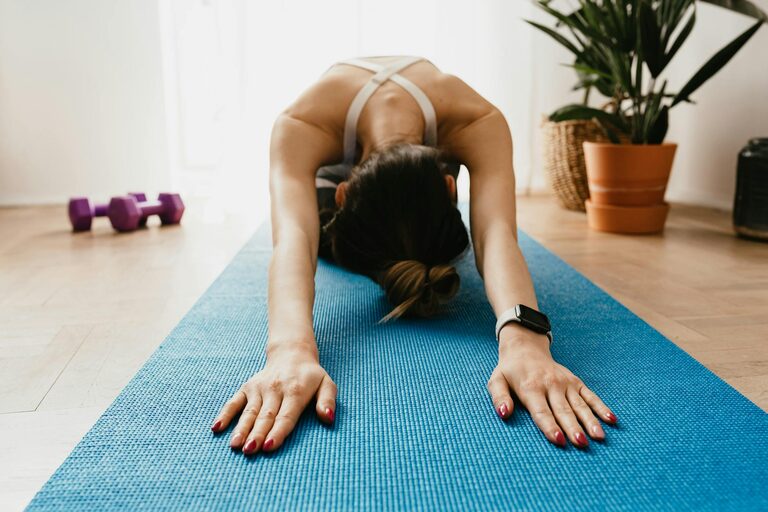
Stretching is an excellent way to improve your flexibility, relieve muscle tension, and enhance your overall physical and mental well-being. The best part? You don’t need special equipment or a gym membership to start stretching. With a few simple moves, you can create a stretching routine right in the comfort of your home.
In this beginner’s guide, we’ll explore the benefits of stretching, safety tips to keep in mind, and step-by-step instructions for some easy stretches you can try today.
Why Stretching Matters
Stretching offers many advantages for your body and mind. Here are some key benefits:
– Improves Flexibility: Regular stretching helps lengthen muscles and increase your range of motion.
– Reduces Muscle Tension: It alleviates tightness and stiffness in muscles caused by sitting or repetitive movements.
– Enhances Posture: Stretching strengthens muscles that support good posture.
– Prevents Injuries: Proper stretching prepares your muscles for activity and lowers the risk of strains.
– Boosts Circulation: It promotes blood flow to muscles, which aids in recovery.
– Relieves Stress: Stretching can also calm your mind and reduce feelings of stress or anxiety.
Getting Started Safely: Tips for Beginners
Before you begin stretching, it’s important to follow these safety guidelines to avoid injuries:
- **Warm Up Your Body:** Stretching cold muscles can cause injury. Perform light aerobic activity, like marching in place or walking, for 5 minutes.
- **Start Slow:** Don’t rush into deep stretches. Gradually ease into each position.
- **Hold, Don’t Bounce:** Hold each stretch steadily for 20-30 seconds. Avoid bouncing, which can cause muscle strain.
- **Breathe Normally:** Take slow, deep breaths to help relax your muscles.
- **Listen to Your Body:** Stretch to the point of gentle tension, never pain.
- **Be Consistent:** Regular stretching is key to seeing improvements over time.
Essential Stretching Exercises for Beginners
Here are some easy stretches that target common areas of tension. Aim to include these in your routine 3-4 times per week.
1. Neck Stretch
Targets: Neck and shoulders
How to do it:
– Sit or stand tall with your shoulders relaxed.
– Slowly tilt your head to the right, bringing your ear toward your shoulder.
– Hold for 20-30 seconds, feeling a gentle stretch along the side of your neck.
– Repeat on the left side.
2. Shoulder Rolls
Targets: Shoulders and upper back
How to do it:
– Stand or sit with your back straight.
– Roll your shoulders forward in a circular motion 10 times.
– Then roll them backward 10 times.
– This warms up and loosens shoulder muscles.
3. Chest Opener
Targets: Chest and front shoulders
How to do it:
– Stand tall and clasp your hands behind your back.
– Straighten your arms and gently lift your hands while opening the chest.
– Keep your chin level and hold for 20-30 seconds.
4. Seated Forward Bend
Targets: Hamstrings and lower back
How to do it:
– Sit on the floor with legs extended straight in front of you.
– Keep your back straight and hinge at your hips to lean forward.
– Reach toward your toes but don’t force it.
– Hold the stretch for 20-30 seconds.
5. Cat-Cow Stretch
Targets: Spine and back muscles
How to do it:
– Begin on your hands and knees, wrists under shoulders, knees under hips.
– Inhale and arch your back, lifting your chest and tailbone (Cow pose).
– Exhale and round your spine toward the ceiling, tucking your chin (Cat pose).
– Repeat slowly 8-10 times.
6. Standing Quad Stretch
Targets: Quadriceps and hip flexors
How to do it:
– Stand on one leg and grab the ankle of your other leg behind you.
– Pull your heel gently toward your buttocks.
– Keep your knees together and hold for 20-30 seconds.
– Switch legs.
Creating Your Stretching Routine
You don’t need to stretch for hours to get benefits. A well-rounded routine might look like this:
- Warm up with 5 minutes of light movement
- Perform 5-7 stretches (like the ones above), holding each for 20-30 seconds
- Repeat stretches on both sides when applicable
- Cool down with some deep breathing or gentle movement
Try to set aside 10-15 minutes, three to four times per week. Consistency will help your muscles adapt and improve flexibility.
Additional Tips for Stretching Success
– Use a Yoga Mat or Towel: This adds comfort when sitting or lying on the floor.
– Wear Comfortable Clothing: Loose, breathable clothing allows free movement.
– Stay Hydrated: Your muscles perform better when hydrated.
– Keep a Stretching Journal: Track your progress and changes in flexibility.
– Incorporate Mindfulness: Pay attention to your breathing and body as you stretch to boost relaxation.
When to Seek Professional Advice
If you have existing injuries, medical conditions, or experience sharp pain during stretching, consult a healthcare professional or a licensed physical therapist before continuing.
Final Thoughts
Stretching at home is a simple, accessible way to improve your wellbeing and flexibility. By starting gently and making it part of your regular routine, you’ll notice improvements in how your body feels and moves. Try these beginner-friendly stretches today and enjoy the benefits of a more flexible, relaxed body.
Happy stretching!